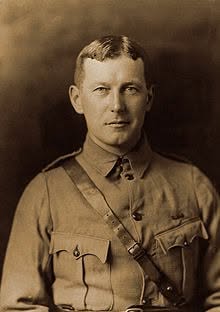
John McCrae Obituary: Remembering the Canadian Soldier Who Wrote In Flanders Fields
John McCrae, the Canadian physician, soldier, and poet whose famous poem In Flanders Fields became an enduring symbol of remembrance, died on January 28, 1918, while serving during the First World War. Born in Guelph, Ontario, McCrae left a lasting mark on Canadian history through his medical service, military career, and literary contribution.
More than a century after his death, his words continue to be remembered during Remembrance Day ceremonies in Canada and around the world. His story remains closely connected to the sacrifices of soldiers who served and died during the First World War.
Who Was John McCrae?
John Alexander McCrae was born on November 30, 1872, in Guelph, Ontario. He became a physician, teacher, military officer, and poet.
He studied medicine at the University of Toronto, graduating with his medical degree in 1898. Before the First World War, he served in the South African War and developed a strong record of military and medical service.
When the First World War began in 1914, McCrae volunteered for service with the Canadian Expeditionary Force. He initially served as a medical officer with the Canadian Field Artillery before later taking on responsibilities at No. 3 Canadian General Hospital in France.
John McCrae and In Flanders Fields
McCrae is best remembered for writing In Flanders Fields, one of the most recognised poems associated with the First World War.
The poem was written in May 1915 near Ypres, Belgium, following the death of his friend and fellow soldier, Lieutenant Alexis Helmer. The sight of poppies growing among the graves of fallen soldiers helped inspire the poem.
It was first published in the British magazine Punch in December 1915. Its powerful reflection on sacrifice, loss, and remembrance quickly gained international recognition.
The poem also helped establish the red poppy as an enduring symbol of remembrance for military personnel who died in war.
John McCrae’s Military and Medical Service
Beyond his literary achievement, McCrae dedicated much of his life to medicine and military service.
During the First World War, he treated wounded soldiers and later served as an officer responsible for medical care at No. 3 Canadian General Hospital in France.
His commitment to caring for injured soldiers continued despite his own recurring health problems, including asthma and bronchitis.
In January 1918, he was appointed consulting physician to the First British Army. However, he became seriously ill before he could take up the responsibilities associated with the appointment.
John McCrae Personal Details
| Detail | Information |
|---|---|
| Full name | John Alexander McCrae |
| Date of birth | November 30, 1872 |
| Place of birth | Guelph, Ontario, Canada |
| Profession | Physician, soldier, teacher, and poet |
| Military service | Canadian Expeditionary Force |
| Famous work | In Flanders Fields |
| Date of death | January 28, 1918 |
| Age at death | 45 |
| Place of death | France |
| Cause of death | Pneumonia and meningitis |
| Burial location | Wimereux Communal Cemetery, France |
John McCrae Cause of Death
John McCrae died on January 28, 1918, after becoming seriously ill with pneumonia and meningitis.
He had experienced recurring health problems during the war, including asthma and bronchitis. His condition worsened in January 1918, and he was admitted to a military hospital in France.
He died at the age of 45, before he could fully take up his appointment as consulting physician to the First British Army.
John McCrae Funeral and Burial Arrangements
Following his death, John McCrae was buried with full military honours at Wimereux Communal Cemetery in France.
His funeral reflected the respect he had earned through his military and medical service. His grave remains an important place of remembrance for those who honour his contribution to Canada’s military history.
Remembering John McCrae’s Legacy
John McCrae’s legacy extends far beyond his lifetime. Through In Flanders Fields, he gave generations a powerful way to remember the sacrifices made during the First World War.
The poem continues to be read and recited during Remembrance Day ceremonies, while the red poppy remains a familiar symbol of respect for fallen military personnel.
Born in Guelph, Ontario, McCrae became an internationally recognised figure whose contributions to medicine, military service, and literature continue to be remembered.
More than a century after his death, his words remain an important part of Canada’s remembrance traditions.
For more updates, please check our Facebook social media platform [Data Source]. Thank you for reading.